Rain, dust and silence: the enduring grammar of the samurai film.
From Kurosawa's downpours to Kobayashi's frozen stillness, the sword film turned a duel into something closer to moral philosophy. A look at why the genre still cuts.
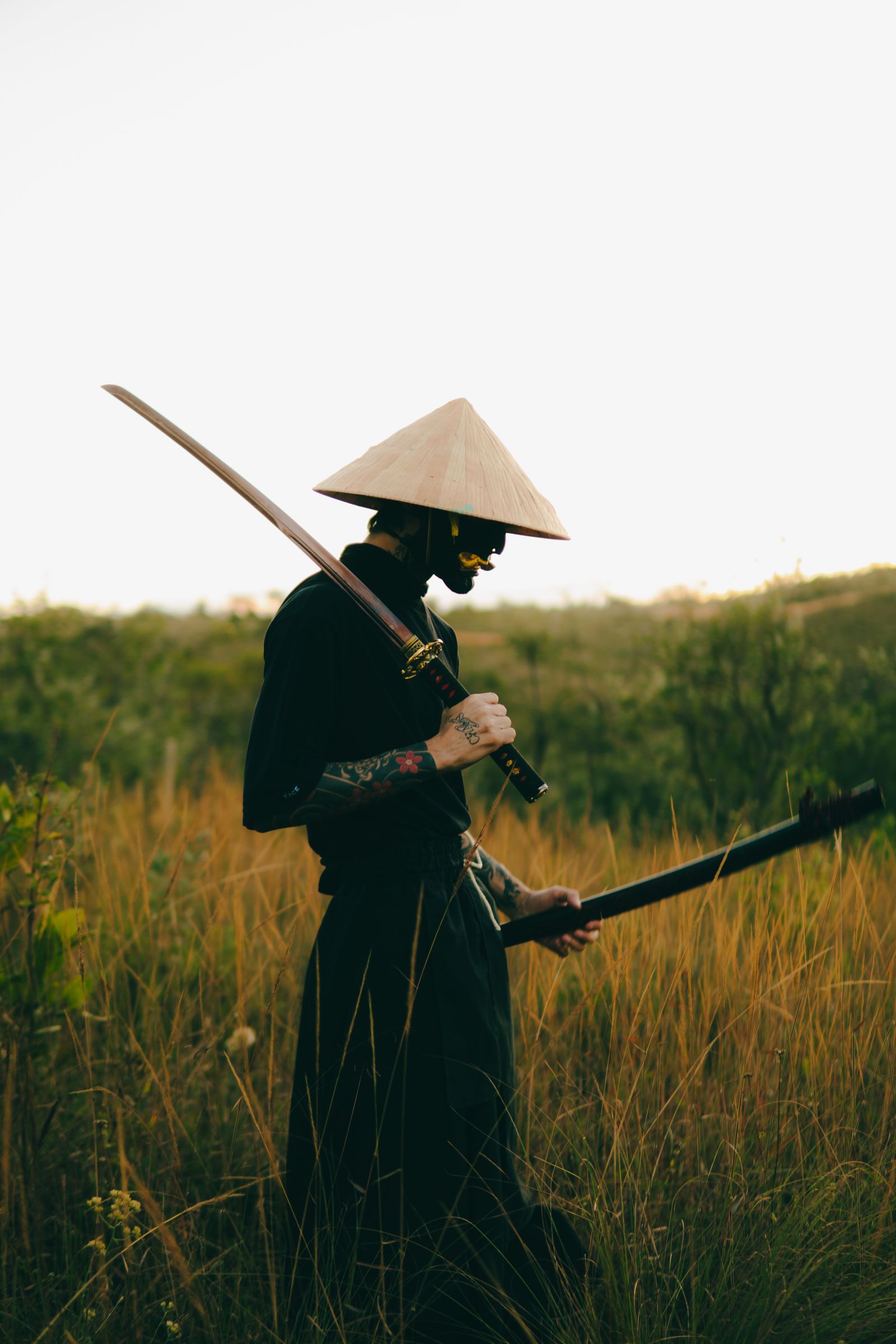
Directors in this issue
Three ways we write about the films.
Every issue is built from the same three habits: watch closely, place the film in its history, and make an honest argument about what it is doing.
Reviews
New releases and restorations, from festival premieres to 4K reissues of the classics — watched closely and written plainly.
Retrospectives
Director seasons and genre deep-dives — jidaigeki, yakuza, the New Wave — placing the films in the history that made them.
Essays
Longer arguments about form, violence, landscape and myth in Japanese cinema — by critics who love the work.
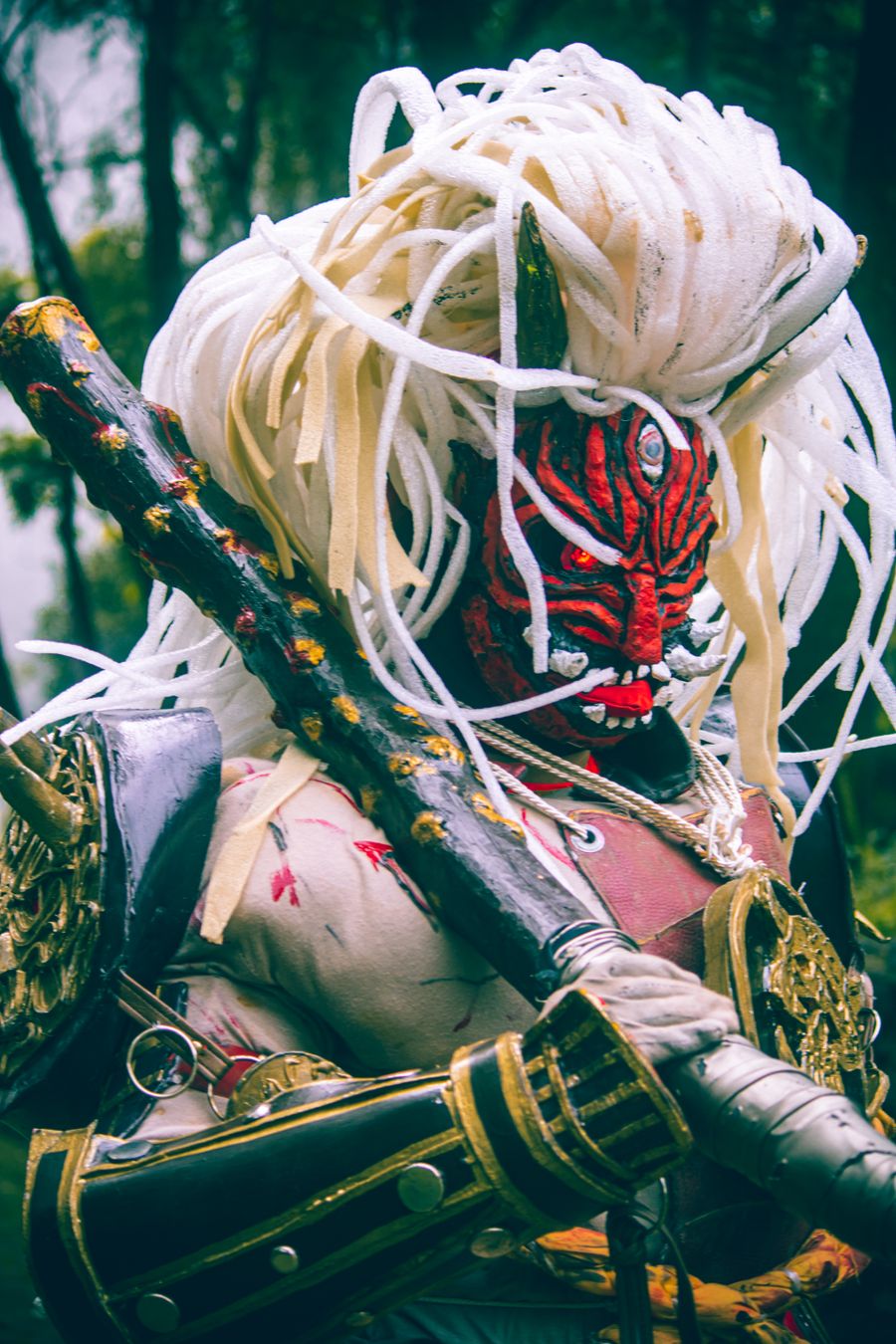
Why the sword film keeps coming back.
A moral stage
The duel is never only a duel; it stages loyalty, shame and the cost of violence in a single held breath.
Landscape as character
Rain, snow and dust do the work of dialogue — the weather is how these films think.
A living lineage
From Okamoto to Kitano and Miike, each generation rewrites the genre instead of retiring it.
"A samurai film is an argument about how to live, disguised as an argument about how to fight."
What we're reading this month.
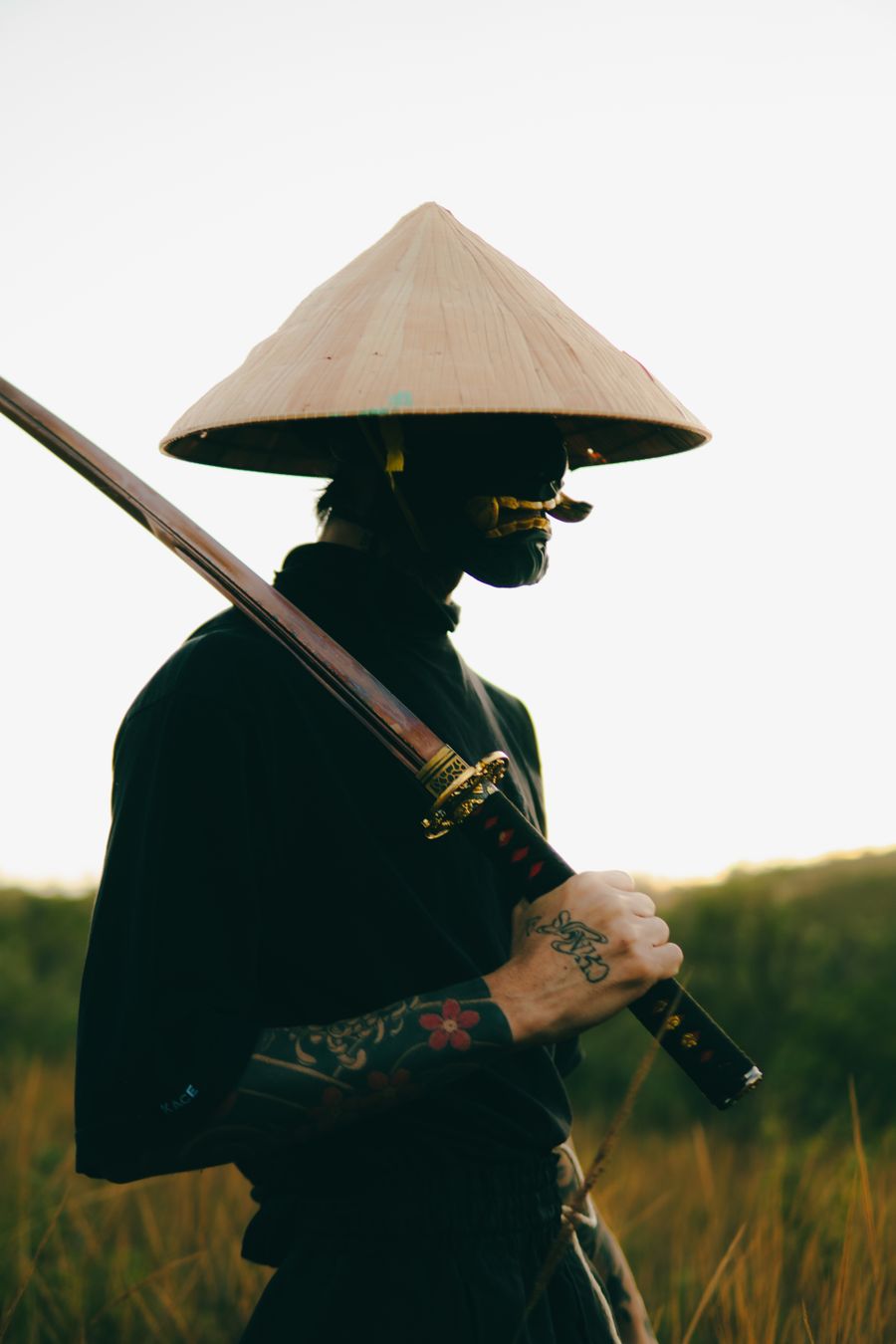
The Twilight Samurai, twenty years on
Yamada's quiet masterpiece re-read as the anti-epic that redefined the genre for a new century.
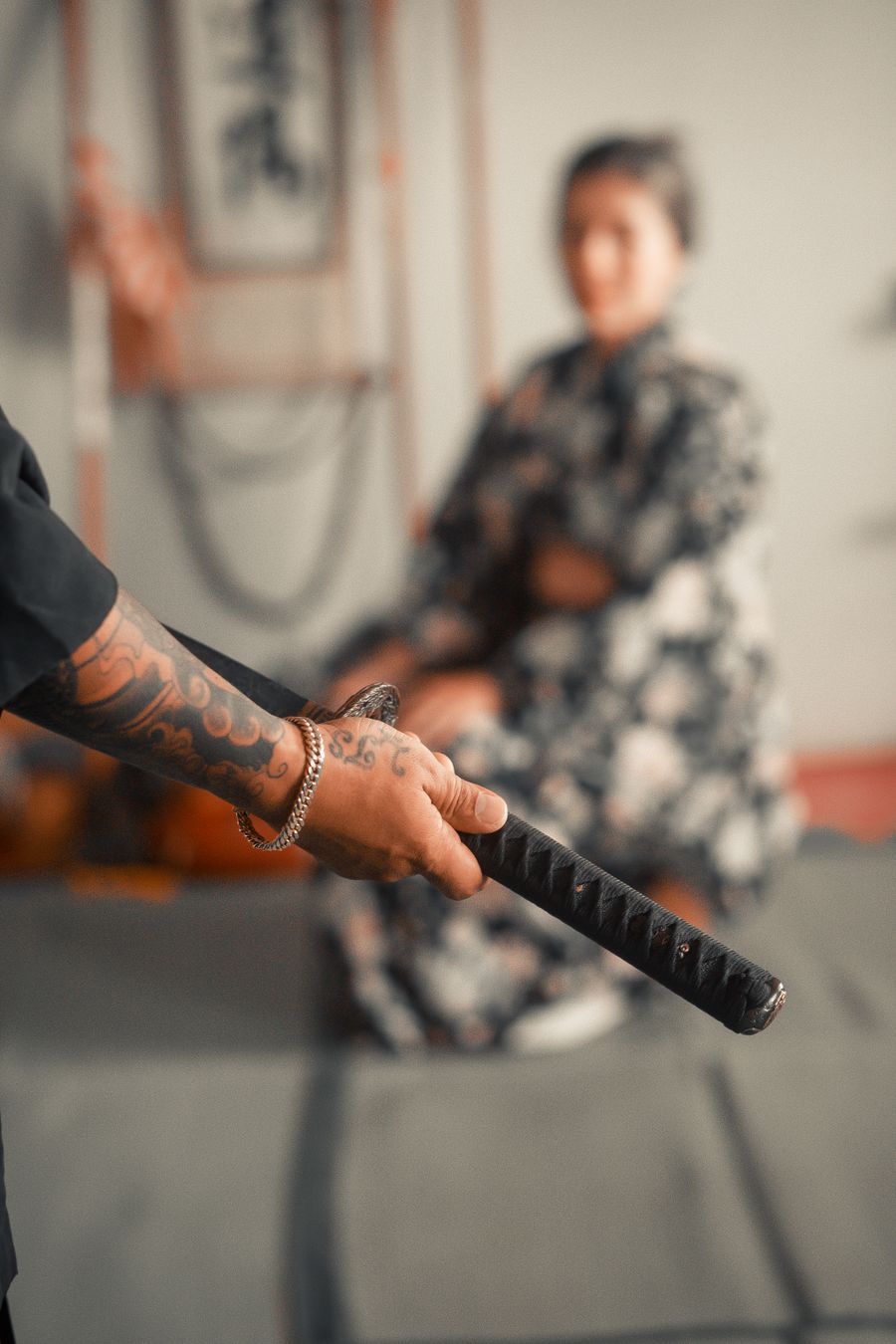
The dojo and the frame
How martial choreography became camera language, from Toho's stages to the modern festival circuit.
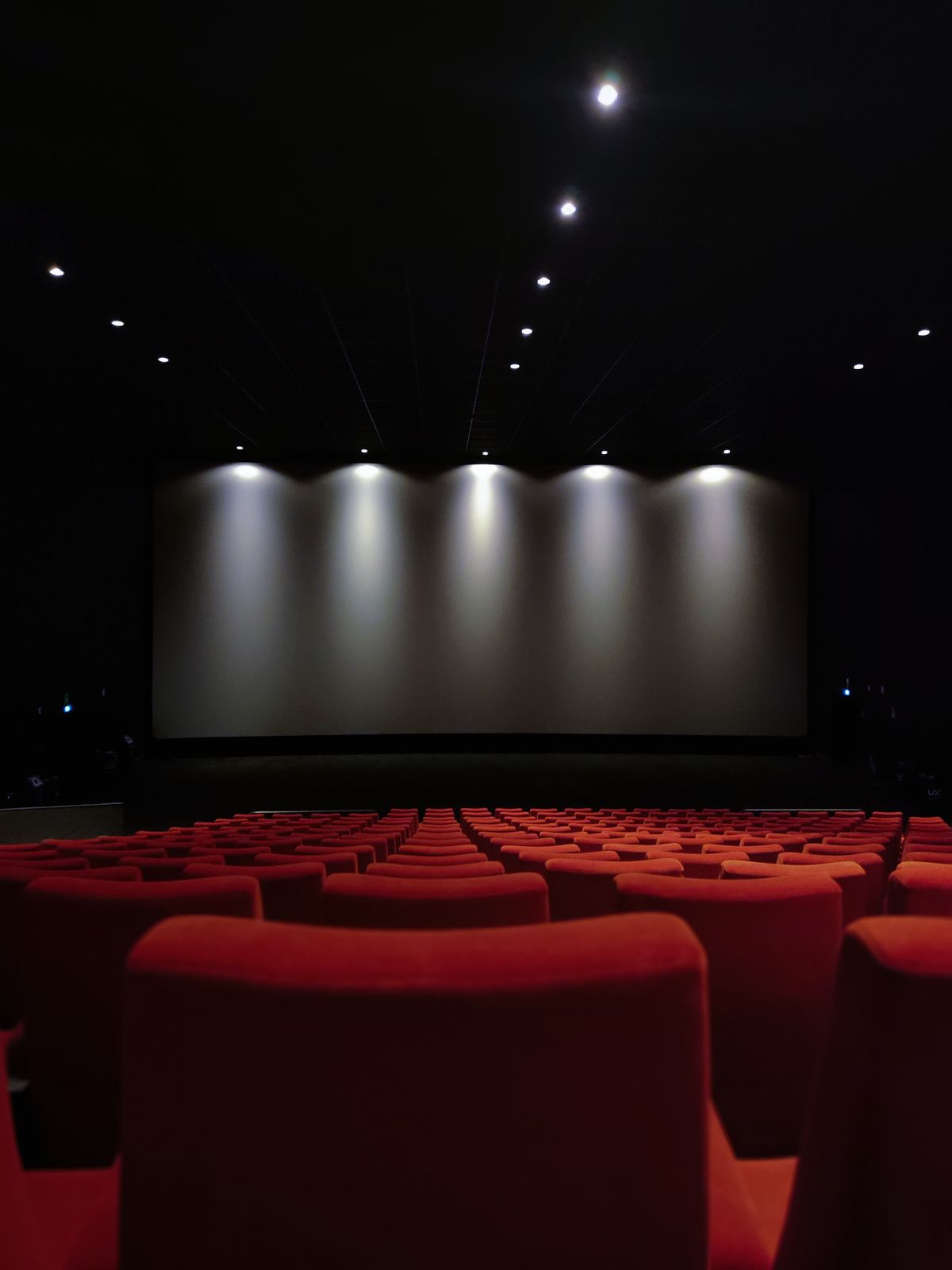
In praise of the single screen
On repertory houses, 35mm, and why a room full of strangers still shapes how we watch.
Read with us, every month.
The journal lands in your inbox with new reviews, a retrospective and one long essay. No noise, no advertising — just the films, taken seriously.
Subscribe to the journal